 Skip to content
Introduction
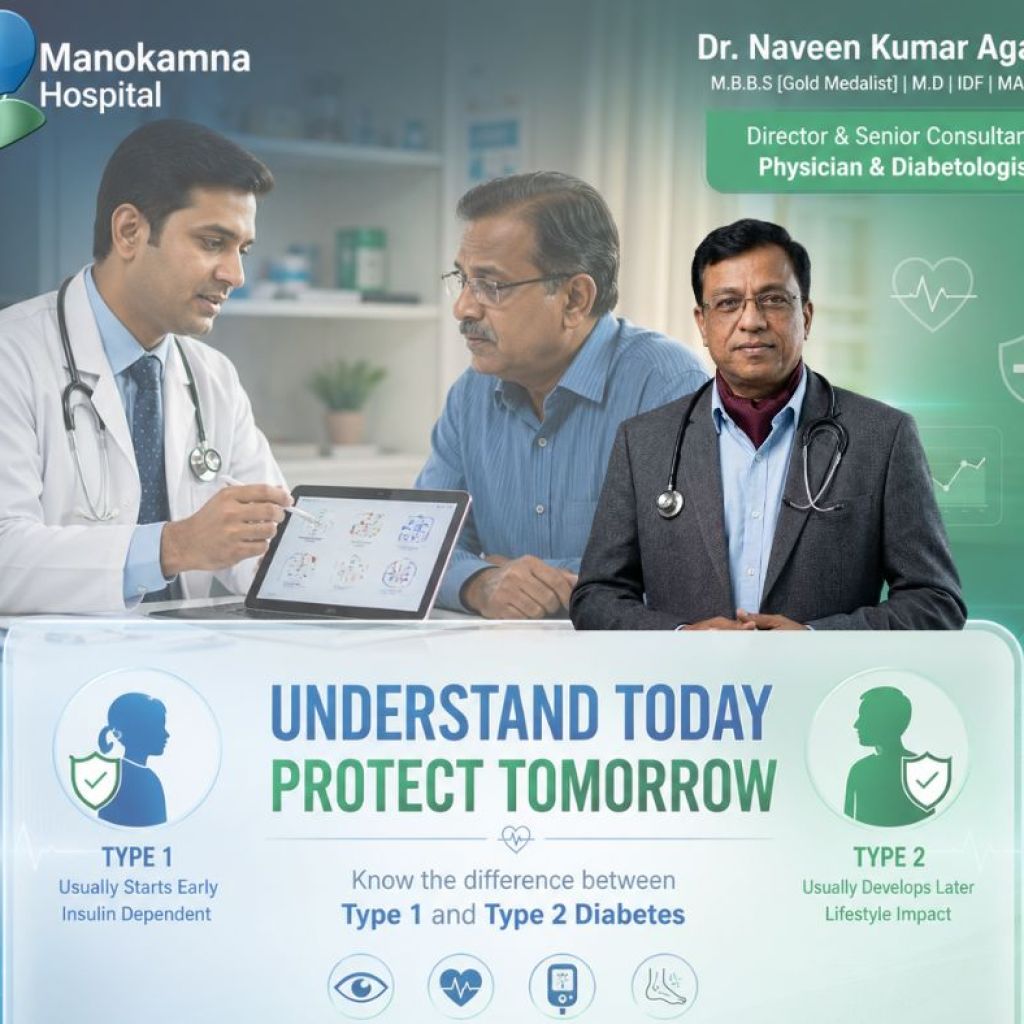
Difference Between Type 1 and Type 2 Diabetes: Diabetes is a condition many families in India are familiar with, yet it is often misunderstood. As a General Physician, I frequently meet patients who are unsure about the difference between Type 1 and Type 2 diabetes, and how each affects their health. This confusion can delay proper care and lead to unnecessary worry.

Understanding diabetes is the first step toward managing it effectively. Whether you are newly diagnosed, caring for a loved one, or simply being proactive about your health, knowing the basics can make a big difference. With the right guidance, diabetes can be managed, and a healthy life is absolutely possible.
Why Patients Seek Medical Consultation
Many patients visit an Internal Medicine Doctor when they notice symptoms that don’t seem normal or when managing an existing condition becomes challenging.
Common reasons include:
- Chronic conditions such as diabetes management and hypertension treatment
- Symptoms like frequent urination, unusual thirst, fatigue, or unexplained weight loss
- Routine health checkups to monitor overall well-being
- Concerns about lifestyle diseases or family history of illness
It is important to understand that these concerns are very common. Seeking medical advice early is not something to fear. In fact, early consultation helps prevent complications and ensures better disease management.

Understanding Diagnosis & Treatment Approach
When you visit for a health checkup or diabetes evaluation, the process is simple, structured, and focused on your comfort.
Here is how we approach diagnosis and treatment:
- Medical History Discussion
I begin by understanding your symptoms, lifestyle, family history, and any existing health conditions. - Physical Examination
A basic check helps assess your overall health and identify any visible concerns. - Diagnostic Tests
Blood tests are recommended to measure sugar levels and confirm whether it is Type 1 or Type 2 diabetes. - Diagnosis
Based on your reports, we identify the type of diabetes.- Type 1 diabetes usually occurs when the body does not produce insulin.
- Type 2 diabetes develops when the body cannot use insulin effectively.
- Personalized Treatment Plan
Treatment is tailored to your needs. It may include medication, insulin therapy (if required), and lifestyle modifications. - Follow-up and Monitoring
Regular checkups help track progress and adjust treatment for better control.
This step-by-step approach ensures that every patient receives the right care at the right time.
Tips for Better Health & Disease Prevention
Preventive care plays a major role in managing diabetes and overall health. Small, consistent changes can lead to long-term benefits.
Here are some practical tips:
- Maintain a Balanced Diet
Include fresh vegetables, whole grains, and limit sugary and processed foods. - Stay Physically Active
Even 30 minutes of walking daily can improve blood sugar control. - Manage Stress
Practice relaxation techniques like deep breathing, yoga, or meditation. - Monitor Your Health Regularly
Keep track of blood sugar, blood pressure, and weight. - Do Routine Health Checkups
Regular screenings help detect problems early and support preventive healthcare.
These habits are simple but powerful in reducing the risk of complications and improving quality of life.
Common Questions Patients Ask
1. When should I see a doctor?
You should consult a doctor if you notice symptoms like excessive thirst, fatigue, or frequent urination. Even without symptoms, routine health checkups are recommended.
2. Are regular checkups necessary if I feel healthy?
Yes, many conditions like diabetes develop silently. Regular health checkups help in early detection and timely treatment.
3. Can lifestyle changes control chronic diseases?
In many cases, especially Type 2 diabetes, healthy lifestyle changes can significantly improve blood sugar levels and reduce medication dependence.
4. How often should I monitor health parameters?
This depends on your condition. Patients with diabetes should monitor blood sugar regularly as advised by their doctor.
5. Is long-term medication always required?
Not always. Some patients can manage their condition with lifestyle changes, but others may need ongoing treatment. The goal is always to ensure your long-term health and safety.
Read More:
For high-quality gynaecology care in Siliguri, including expert consultation in diabetes management and obstetrics services, visit Monokamna Hospital.
How Dr. Naveen Agarwal Supports You
As a General Physician, my focus is on providing care that is both effective and compassionate. Every patient is unique, and so is their treatment plan.
Read More:
What is hypertension and why it’s called a silent killer
I help patients with:
- Personalized disease management for diabetes, hypertension, and thyroid disorders
- Preventive care to reduce future health risks
- Clear communication so you understand your condition and treatment
- Long-term support for chronic disease treatment
My approach is simple—listen carefully, explain clearly, and guide you at every step. Building trust and ensuring your comfort is always my priority.
Conclusion
Understanding the difference between Type 1 and Type 2 diabetes is an important step toward better health. With early diagnosis, proper treatment, and regular monitoring, diabetes can be effectively managed.
If you have concerns about your health or simply want to stay proactive, do not delay seeking medical advice. Preventive healthcare and timely care can make a lasting difference in your life.
Appointments
+91 94340 86154
+91 89182 39620
Website: https://drnaveenagarwal.com/
Book your consultation with Dr. Naveen Agarwal today
