 Skip to content
Introduction
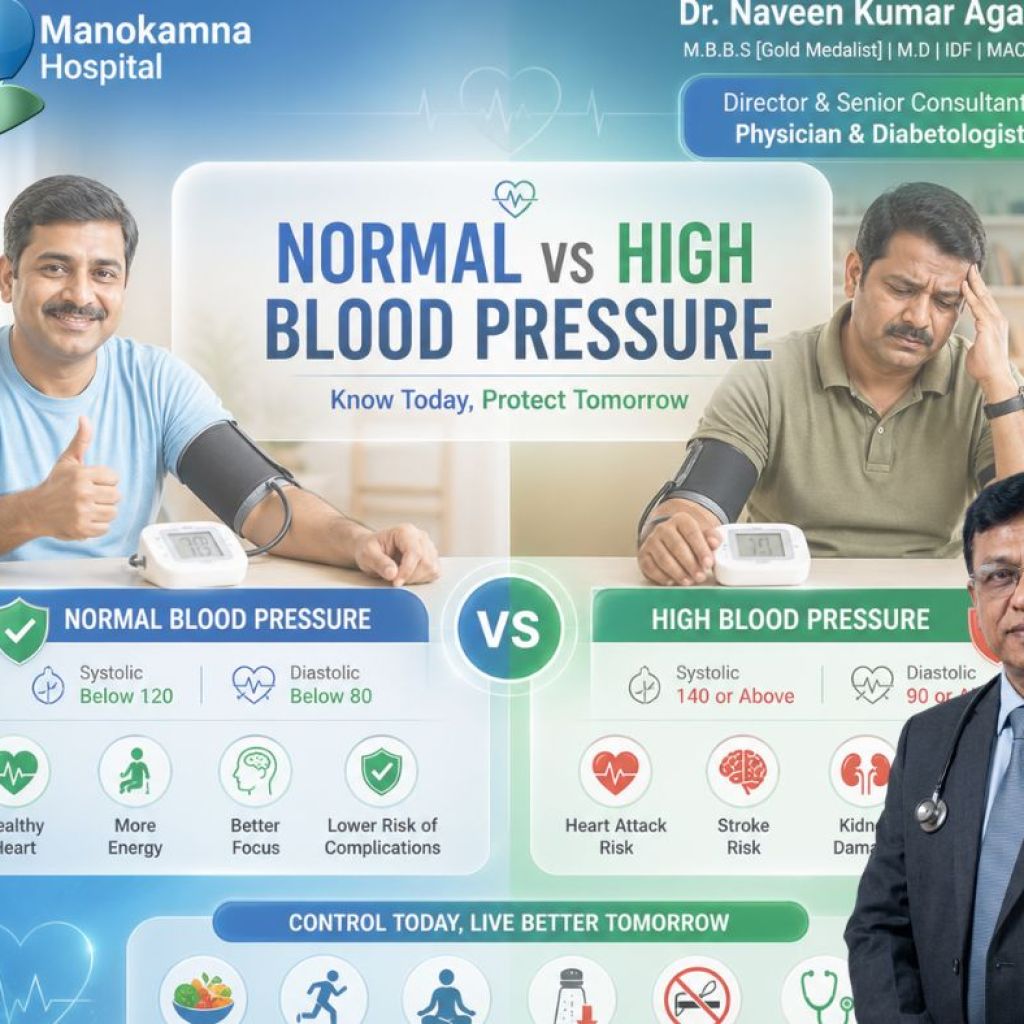
Normal vs High Blood Pressure: Blood pressure is one of the most important indicators of your overall health, yet many people are unsure what their readings actually mean. I often meet patients who feel confused when they see numbers like 120/80 or 140/90 and wonder if they should be concerned.
As a General Physician, I want to reassure you that understanding your blood pressure is not complicated. With a little awareness, you can take control of your health and prevent serious complications. Monitoring your blood pressure regularly is a key step in preventive care and long-term wellness.

Why Patients Seek Medical Consultation
Patients visit an Internal Medicine Doctor for blood pressure concerns for several common reasons.

These include:
- Diagnosed hypertension treatment and difficulty keeping it under control
- Symptoms like headaches, dizziness, or chest discomfort
- Routine health checkups to monitor heart health
- Family history of high blood pressure or lifestyle diseases
- Concerns about stress, weight, or unhealthy habits
These situations are very common, and there is no need to feel anxious. Early consultation helps in proper disease management and reduces the risk of complications such as heart disease or stroke.
Understanding Diagnosis & Treatment Approach
When you come in for a blood pressure evaluation, the process is simple and focused on your comfort.
Here is how we approach it:
- Medical History Discussion
We talk about your symptoms, lifestyle, stress levels, diet, and family history. - Physical Examination
Blood pressure is measured using a cuff, often more than once for accuracy. - Diagnostic Tests
If needed, tests like blood tests, ECG, or kidney function tests may be advised. - Understanding Blood Pressure Readings
Blood pressure is recorded as two numbers:- Systolic (upper number): Pressure when the heart pumps blood
- Diastolic (lower number): Pressure when the heart relaxes
- Normal: Around 120/80 mmHg
- Elevated: 120–129 / less than 80
- High (Hypertension Stage 1): 130–139 / 80–89
- High (Hypertension Stage 2): 140/90 or higher
- Diagnosis
A diagnosis is not based on a single reading. Multiple readings over time help confirm hypertension. - Personalized Treatment Plan
Treatment may include lifestyle changes, medication, or both depending on your condition. - Follow-up and Monitoring
Regular health checkups are essential to track progress and adjust treatment.
This step-by-step approach ensures accurate diagnosis and effective chronic disease treatment.
Tips for Better Health & Disease Prevention
Managing blood pressure is largely about lifestyle. Small changes can make a big difference.
Here are some practical tips:
- Reduce Salt Intake
Limit salty and processed foods to keep blood pressure under control. - Eat a Balanced Diet
Include fruits, vegetables, whole grains, and lean protein. - Stay Physically Active
Aim for at least 30 minutes of walking or exercise daily. - Maintain a Healthy Weight
Even a small weight loss can improve blood pressure. - Manage Stress
Practice relaxation techniques like yoga, meditation, or deep breathing. - Avoid Smoking and Limit Alcohol
These habits can increase blood pressure and harm your heart. - Monitor Your Blood Pressure
Regular checks at home or clinic help in better disease management. - Do Routine Health Checkups
Preventive healthcare helps detect issues early and keeps you on track.
For high-quality gynaecology care in Siliguri, including expert consultation in diabetes management and obstetrics services, visit Monokamna Hospital.
Consistency in these habits is key to long-term control.
Common Questions Patients Ask
1. When should I see a doctor for blood pressure?
If your readings are consistently above 130/80 or you experience symptoms like headaches or dizziness, consult a doctor.
2. Are regular checkups necessary if I feel fine?
Yes. High blood pressure often has no symptoms, which is why it is called a “silent condition.”
3. Can lifestyle changes control high blood pressure?
In many cases, especially early stages, lifestyle changes can significantly improve or even normalize readings.
4. How often should I check my blood pressure?
If you have hypertension, regular monitoring as advised by your doctor is important. Otherwise, periodic checks during routine health checkups are sufficient.
5. Is long-term medication always required?
Not always. Some patients manage with lifestyle changes, while others need medication for safe control.
How Dr. Naveen Agarwal Supports You
As a General Physician, I focus on providing patient-centered and practical care for blood pressure management.
Read More:
What is hypertension and why it’s called a silent killer
My approach includes:
- Personalized plans for hypertension treatment and lifestyle diseases
- Focus on preventive care through regular health checkups
- Clear explanations so you understand your readings and treatment
- Long-term support for chronic disease treatment
I believe in building trust and helping you feel confident about your health decisions.
Conclusion
Understanding the difference between normal and high blood pressure readings is an important step toward protecting your health. With early detection, proper guidance, and consistent care, hypertension can be effectively managed.
Do not wait for symptoms to appear. Take a proactive approach to your health with regular monitoring and preventive care.
Appointments
+91 94340 86154
+91 89182 39620
Website: https://drnaveenagarwal.com/
Book your consultation with Dr. Naveen Agarwal today
