
Introduction
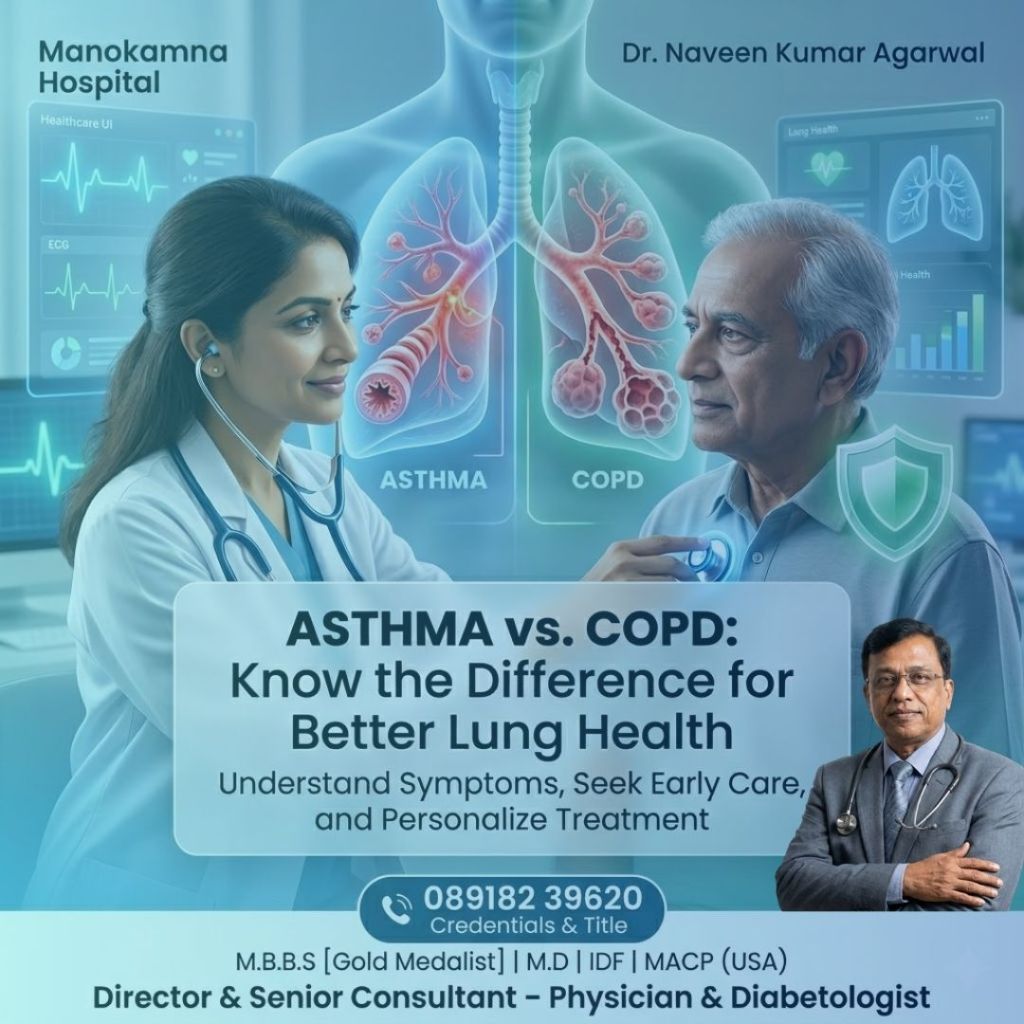
As a General Physician and Internal Medicine Doctor, I often meet patients who experience breathing difficulties but are unsure whether they are dealing with asthma or COPD. Both conditions affect the lungs and can cause similar symptoms such as cough, breathlessness, and wheezing. However, they are different in their causes, progression, and treatment approach.

Understanding the difference between asthma and COPD is important because early diagnosis and proper disease management can significantly improve quality of life. Many patients delay consultation due to confusion or mild symptoms, but timely care plays a key role in preventing complications and maintaining long-term lung health.
Why Patients Seek Medical Consultation
Patients usually visit a doctor when they notice persistent respiratory symptoms or discomfort in daily activities. Common reasons include:
- Frequent cough, especially at night or early morning
- Shortness of breath during activity or even at rest
- Wheezing or a whistling sound while breathing
- Chest tightness or heaviness
- Recurrent respiratory infections
Some patients also come for routine health checkups, especially if they have a history of smoking, exposure to pollution, or a family history of respiratory diseases. Others may already have chronic conditions like diabetes or hypertension and seek preventive care to maintain overall health.
It is important to understand that breathing issues should not be ignored, as they may indicate underlying conditions like asthma or COPD that require medical attention and proper disease management.
Understanding Diagnosis & Treatment Approach
When evaluating respiratory symptoms, a structured and simple approach is followed to identify whether a patient has asthma or COPD.
- Medical History
We begin by understanding your symptoms, their duration, triggers, smoking history, occupational exposure, and family history. - Physical Examination
Basic examination of the lungs and overall health helps assess breathing patterns and any immediate concerns. - Diagnostic Tests
Lung function tests, such as spirometry, are commonly used. These tests measure how much air you can inhale and exhale and how quickly you can do so. Blood tests or chest imaging may also be advised when needed. - Diagnosis
Based on symptoms, test results, and history, we determine whether the condition is asthma, COPD, or another respiratory issue. - Treatment Plan
- For asthma, treatment focuses on controlling airway inflammation and preventing triggers.
- For COPD, the approach includes symptom control, slowing disease progression, and improving lung function.
- Medications may include inhalers, oral medicines, and in some cases, additional therapies.
- Follow-Up and Monitoring
Regular follow-ups help track progress, adjust treatment, and ensure that symptoms remain under control.
This step-by-step process ensures accurate diagnosis and personalized care for each patient.
Tips for Better Health & Disease Prevention
Maintaining good respiratory health requires consistent lifestyle habits and preventive care. Here are some practical recommendations:
- Avoid smoking and exposure to pollutants: Smoking is a major cause of COPD and worsens asthma.
- Maintain a healthy diet: Include fresh fruits, vegetables, and a balanced intake of nutrients to support overall immunity.
- Stay physically active: Regular exercise improves lung capacity and overall fitness.
- Manage environmental triggers: For asthma patients, avoiding dust, pollen, and known allergens is important.
- Practice stress management: Stress can worsen breathing symptoms, so relaxation techniques can be helpful.
- Go for regular health checkups: Early detection through routine health checkups helps in timely disease management and preventive care.
Small lifestyle changes can make a meaningful difference in managing chronic respiratory conditions and improving daily comfort.
For high-quality gynaecology care in Siliguri, including expert consultation in diabetes management and obstetrics services, visit Monokamna Hospital.

Common Questions Patients Ask
When should I see a doctor?
You should consult a doctor if you experience persistent cough, shortness of breath, wheezing, or chest tightness, especially if symptoms interfere with daily life.
Are regular checkups necessary if I feel fine?
Yes. Routine health checkups can help detect early signs of respiratory diseases, particularly in high-risk individuals such as smokers or those exposed to pollution.
Can lifestyle changes control chronic respiratory diseases?
Lifestyle changes play an important role in improving symptoms and preventing worsening. However, medical treatment is often necessary for proper control.
How often should I monitor my condition?
Patients with asthma or COPD should follow a monitoring schedule advised by their physician, which may include periodic lung function tests and follow-ups.
Is long-term medication always required?
In many chronic cases, long-term treatment may be needed to control symptoms and prevent complications. The exact duration depends on the severity and individual response to treatment.
How Dr. Naveen Agarwal Supports You
As a General Physician and Internal Medicine specialist, my approach focuses on comprehensive and compassionate care. I aim to:
- Provide personalized evaluation and treatment plans
- Manage chronic diseases such as asthma, COPD, diabetes, hypertension, and thyroid disorders effectively
- Emphasize preventive healthcare to reduce long-term risks
- Offer clear explanations so patients fully understand their condition
- Build long-term trust through consistent follow-up and patient-centered care
My goal is to ensure that every patient feels heard, supported, and confident in managing their health.
Conclusion
Asthma and COPD may share similar symptoms, but they are distinct conditions with different causes and treatment approaches. Understanding the difference between them helps in seeking timely medical advice and adopting the right treatment plan.
If you or your loved ones are experiencing breathing difficulties, do not ignore the symptoms. Early consultation, proper diagnosis, and consistent care can greatly improve quality of life and prevent complications.
Appointments
+91 94340 86154
+91 89182 39620
Website: https://drnaveenagarwal.com/
Book your consultation with Dr. Naveen Agarwal today and take the first step toward better respiratory health and overall well-being.